
Relevant Irrelevance: Generating Alterfactual Explanations for Image Classifiers
Proceedings of the Thirty-Third International Joint Conference on Artificial Intelligence. Main Track. Pages 467-475.
https://doi.org/10.24963/ijcai.2024/52
Keywords
- AI Ethics, Trust, Fairness: ETF: Trustworthy AI
- AI Ethics, Trust, Fairness: ETF: Bias
- AI Ethics, Trust, Fairness: ETF: Explainability and interpretability
- Machine Learning: ML: Classification
Abstract
In this paper, we demonstrate the feasibility of alterfactual explanations for black box image classifiers.
Traditional explanation mechanisms from the field of Counterfactual Thinking are a widely-used paradigm for Explainable Artificial Intelligence (XAI), as they follow a natural way of reasoning that humans are familiar with. However, most common approaches from this field are based on communicating information about features or characteristics that are especially important for an AI's decision.
However, to fully understand a decision, not only knowledge about relevant features is needed, but the awareness of irrelevant information also highly contributes to the creation of a user's mental model of an AI system.
To this end, a novel approach for explaining AI systems called alterfactual explanations was recently proposed on a conceptual level.
It is based on showing an alternative reality where irrelevant features of an AI's input are altered.
By doing so, the user directly sees which input data characteristics can change arbitrarily without influencing the AI's decision.
In this paper, we show for the first time that it is possible to apply this idea to black box models based on neural networks.
To this end, we present a GAN-based approach to generate these alterfactual explanations for binary image classifiers.
Further, we present a user study that gives interesting insights on how alterfactual explanations can complement counterfactual explanations.
- [Arrieta et al., 2020] Alejandro Barredo Arrieta, Natalia Díaz-Rodríguez, Javier Del Ser, Adrien Bennetot, Siham Tabik, Alberto Barbado, Salvador García, Sergio Gil- López, Daniel Molina, Richard Benjamins, et al. Explain- able artificial intelligence (xai): Concepts, taxonomies, opportunities and challenges toward responsible ai. Infor- mation Fusion, 58:82-115, 2020.
- [Byrne, 2019] Ruth MJ Byrne. Counterfactuals in explain- able artificial intelligence (xai): Evidence from human rea- soning. In IJCAI, pages 6276-6282, 2019. IJCAI
- [Cabani et al., 2021] Adnane Cabani, Karim Hammoudi, Halim Benhabiles, and Mahmoud Melkemi. Maskedface- net-a dataset of correctly/incorrectly masked face images in the context of covid-19. Smart Health, 19:100144, 2021.
- [Chen et al., 2016] Daniel L Chen, Martin Schonger, and Chris Wickens. otree-an open-source platform for lab- oratory, online, and field experiments. Journal of Behav- ioral and Experimental Finance, 9:88-97, 2016.
- [Cohen, 2013] Jacob Cohen. Statistical power analysis for the behavioral sciences. Academic press, 2013.
- [Elsayed et al., 2018] Gamaleldin Elsayed, Dilip Krishnan, Hossein Mobahi, Kevin Regan, and Samy Bengio. Large margin deep networks for classification. Advances in neu- ral information processing systems, 31, 2018.
- [Guidotti et al., 2019] Riccardo Guidotti, Anna Monreale, Fosca Giannotti, Dino Pedreschi, Salvatore Ruggieri, and Franco Turini. Factual and counterfactual explanations for black box decision making. IEEE Intelligent Systems, 34(6):14-23, 2019.
- [Herchenbach et al., 2022] Marvin Herchenbach, Dennis Müller, Stephan Scheele, and Ute Schmid. Explaining im- age classifications with near misses, near hits and proto- types: Supporting domain experts in understanding deci- sion boundaries. In International Conference on Pattern Recognition and Artificial Intelligence, pages 419-430. Springer, 2022.
- [Hoffman et al., 2018] Robert R Hoffman, Shane T Mueller, Gary Klein, and Jordan Litman. Metrics for explain- able ai: Challenges and prospects. arXiv preprint arXiv:1812.04608, 2018.
- [Huber et al., 2023] Tobias Huber, Maximilian Demmler, Silvan Mertes, Matthew L. Olson, and Elisabeth André. Ganterfactual-rl: Understanding reinforcement learning agents' strategies through visual counterfactual explana- tions. In Noa Agmon, Bo An, Alessandro Ricci, and William Yeoh, editors, Proceedings of the 2023 Interna- tional Conference on Autonomous Agents and Multiagent Systems, AAMAS 2023, London, United Kingdom, 29 May 2023 -2 June 2023, pages 1097-1106. ACM, 2023.
- [Jiang et al., 2018] Yiding Jiang, Dilip Krishnan, Hossein Mobahi, and Samy Bengio. Predicting the generalization gap in deep networks with margin distributions. arXiv preprint arXiv:1810.00113, 2018.
- [Keane et al., 2021a] Mark T Keane, Eoin M Kenny, Eoin Delaney, and Barry Smyth. If only we had better coun- terfactual explanations: Five key deficits to rectify in the evaluation of counterfactual xai techniques. arXiv preprint arXiv:2103.01035, 2021. IJCAI
- [Keane et al., 2021b] Mark T Keane, Eoin M Kenny, Mo- hammed Temraz, Derek Greene, and Barry Smyth. Twin systems for deepcbr: A menagerie of deep learning and case-based reasoning pairings for explanation and data augmentation. arXiv preprint arXiv:2104.14461, 2021.
- [Kenny and Keane, 2020] Eoin M Kenny and Mark T Keane. On generating plausible counterfactual and semi- factual explanations for deep learning. arXiv preprint arXiv:2009.06399, 2020.
- [Khorram and Fuxin, 2022] Saeed Khorram and Li Fuxin. Cycle-consistent counterfactuals by latent transforma- tions. In Proceedings of the IEEE/CVF Conference on Computer Vision and Pattern Recognition, pages 10203- 10212, 2022.
- [Kim et al., 2016] Been Kim, Rajiv Khanna, and Oluwasanmi O Koyejo. Examples are not enough, learn to criticize! criticism for interpretability. Advances in neural information processing systems, 29, 2016.
- [LeCun, 1998] Yann LeCun. The mnist database of hand- written digits. http://yann.lecun.com/exdb/mnist, 1998. Accessed: 2024-06-19. Link
- [Li et al., 2018] Yu Li, Lizhong Ding, and Xin Gao. On the decision boundary of deep neural networks. arXiv preprint arXiv:1808.05385, 2018.
- [Lundberg and Lee, 2017] Scott M Lundberg and Su-In Lee. A unified approach to interpreting model predictions. In I. Guyon, U. Von Luxburg, S. Bengio, H. Wallach, R. Fer- gus, S. Vishwanathan, and R. Garnett, editors, Advances in Neural Information Processing Systems, volume 30. Cur- ran Associates, Inc., 2017.
- [McCloy and Byrne, 2002] Rachel McCloy and Ruth MJ Byrne. Semifactual "even if" thinking. Thinking & Rea- soning, 8(1):41-67, 2002.
- [Mertes et al., 2022a] Silvan Mertes, Tobias Huber, Katha- rina Weitz, Alexander Heimerl, and Elisabeth André. Gan- terfactual-counterfactual explanations for medical non- experts using generative adversarial learning. Frontiers in artificial intelligence, 5, 2022.
- [Mertes et al., 2022b] Silvan Mertes, Christina Karle, To- bias Huber, Katharina Weitz, Ruben Schlagowski, and Elisabeth André. Alterfactual explanations-the relevance of irrelevance for explaining ai systems. arXiv preprint arXiv:2207.09374, 2022.
- [Miller, 2019] Tim Miller. Explanation in artificial intelli- gence: Insights from the social sciences. Artificial intelli- gence, 267:1-38, 2019.
- [Miller, 2021] Tim Miller. Contrastive explanation: A structural-model approach. The Knowledge Engineering Review, 36, 2021.
- [Nemirovsky et al., 2022] Daniel Nemirovsky, Nicolas Thiebaut, Ye Xu, and Abhishek Gupta. Countergan: Generating counterfactuals for real-time recourse and interpretability using residual gans. In Uncertainty in Artificial Intelligence, pages 1488-1497. PMLR, 2022.
- [Olson et al., 2021] Matthew L. Olson, Roli Khanna, Lawrence Neal, Fuxin Li, and Weng-Keen Wong. Counterfactual state explanations for reinforcement learning agents via generative deep learning. Artif. Intell., 295:103455, 2021.
- [Ribeiro et al., 2016] Marco Tulio Ribeiro, Sameer Singh, and Carlos Guestrin. "why should i trust you?": Ex- plaining the predictions of any classifier. In Proceedings of the 22nd ACM SIGKDD International Conference on Knowledge Discovery and Data Mining, KDD '16, page 1135-1144, New York, NY, USA, 2016. Association for Computing Machinery.
- [Sharmanska et al., 2020] Viktoriia Sharmanska, Lisa Anne Hendricks, Trevor Darrell, and Novi Quadrianto. Con- trastive examples for addressing the tyranny of the major- ity. arXiv preprint arXiv:2004.06524, 2020.
- [Stone et al., 2016] Peter Stone, Rodney Brooks, Erik Bryn- jolfsson, Ryan Calo, Oren Etzioni, Greg Hager, Julia Hirschberg, Shivaram Kalyanakrishnan, Ece Kamar, Sarit Kraus, et al. One hundred year study on artificial intel- ligence: Report of the 2015-2016 study panel. Technical report, Technical report, Stanford University, 2016.
- [Van Looveren et al., 2021] Arnaud Van Looveren, Janis Klaise, Giovanni Vacanti, and Oliver Cobb. Conditional generative models for counterfactual explanations. arXiv preprint arXiv:2101.10123, 2021.
- [Wachter et al., 2017] Sandra Wachter, Brent Mittelstadt, and Chris Russell. Counterfactual explanations without opening the black box: Automated decisions and the gdpr. Harv. JL & Tech., 31:841, 2017.
- [Wang et al., 2004] Zhou Wang, Alan C Bovik, Hamid R Sheikh, and Eero P Simoncelli. Image quality assessment: from error visibility to structural similarity. IEEE transac- tions on image processing, 13(4):600-612, 2004.
- [Wu et al., 2019] Yifan Wu, Fan Yang, Yong Xu, and Haibin Ling. Privacy-protective-gan for privacy preserving face de-identification. Journal of Computer Science and Tech- nology, 34:47-60, 2019.
- [Xiao et al., 2017] Han Xiao, Kashif Rasul, and Roland Vollgraf. Fashion-mnist: a novel image dataset for bench- marking machine learning algorithms. arXiv preprint arXiv:1708.07747, 2017.
- [Zhao, 2020] Yunxia Zhao. Fast real-time counterfactual ex- planations. arXiv preprint arXiv:2007.05684, 2020.
References were extracted automatically from the PDF and may contain errors.
Full text extracted automatically from the PDF; figures, tables and equations may differ. The PDF is the version of record.
1 Introduction
With the steady advance of Artificial Intelligence (AI), and the resulting introduction of AI-based applications into everyday life, more and more people are being directly confronted with decisions made by AI algorithms [Stone et al., 2016]. As the field of AI advances, so does the need to make such decisions explainable and transparent. The development and evaluation of Explainable AI (XAI) methods is important not only to provide end users with explanations that increase acceptance and trust in AI-based methods, but also to empower researchers and developers with insights to improve their algorithms.
The need for XAI methods has prompted the research community to develop a large variety of different approaches to unravel the black boxes of AI models. A considerable part of these approaches is based on telling the user of the XAI system in various ways which features of the input data are important for a decision (often called Feature Attribution) [Arrieta et al., 2020]. Other methods, which are close to human habits of explanation, are based on the paradigm of Counterfactual Thinking [Miller, 2019]. Procedures that follow this guiding principle try answering the question of What if...? by showing an alternative reality and the corresponding decision of the AI. Here, in contrast to feature attribution mechanisms, not only the importance of the various features is emphasized. Rather, it is conveyed, even if only indirectly, why features are relevant.
Prominent examples of these explanatory mechanisms are Counterfactual Explanations and Semifactual Explanations [Kenny and Keane, 2020]. Counterfactual explanations show a version of the input data that is altered just enough to change an AI's decision. By doing so, the user is shown not only which features are relevant to the decision, but more importantly, how they would need to be changed to result in a different decision of the AI. Semifactual explanations follow a similar principle, but they modify the relevant features of the input data to an extent that the AI's decision does not change.
All of these methods have in common that they focus on the important features. However, we argue that awareness of irrelevant features can also contribute substantially to the complete understanding of a decision domain, as knowledge of the important features for the AI does not necessarily imply knowledge of the unimportant ones. For example, consider an AI system that assesses a person's creditworthiness based on various characteristics. If that systemwas completely fair, a counterfactual explanation might be of the form: If your income was higher, you would be creditworthy. However, this explanation does not exclude the possibility that your skin color also influenced the AI's decision. It only shows that the income had a high impact on the AI. An explanation confined to the irrelevant features, on the other hand, might say No matter what your skin color is, the decision would not change. In this case, direct communication of irrelevant features ascertains fairness with regards to skin color. Conventional counterfactual thinking explanation paradigms do not provide this information directly. To address this issue, Mertes et al. [2022b] recently conceptually introduced the explanatory paradigm of Alterfactual Explanations that is meant to complement counterfactual explanations. This principle is based on showing the user of the XAI system an alternative reality that leads to the exact same decision of the AI, but where irrelevant features are altered. All relevant features of the input data, on the other hand, remain the same. As such, alterfactual explanations form the complement to counterfactual explanations - providing both explanation types should enable the user to grasp both relevant and irrelevant features. Mertes et al. [2022b] already showed the potential in the concept of raising user awareness about irrelevant features. Nevertheless, due to the absence of an implementable solution, the researchers could only delve into the concept through the utilization of a fictional AI.
As such, in this work we introduce a GAN-based generation algorithm that is able to create both alterfactual and counterfactual explanations for image classifiers. 1 As alterfactual explanations convey completely different information than common methods, we investigate whether the understanding that users have of the explained AI system is also formed in a different way, or can even be improved. Our results show that alterfactual explanations outperform counterfactual explanations with regards to local model understanding.
2 RelatedWork
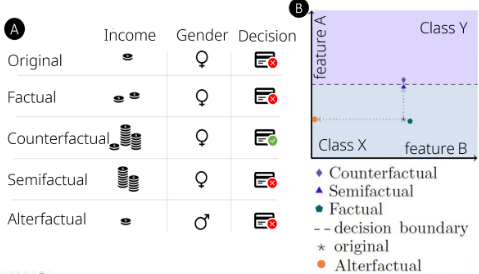
As the approach presented in this paper can be counted to the class of XAI methods that work by inducing counterfactual thinking processes, it is important to gain an understanding of how common methods from this field work. Therefore, this section gives an overview on related explanation concepts. Figure 1A illustrates the difference between those concepts using exemplary explanations for a fictional AI that decides if a person is creditworthy or not. We will use that scenario as a running example of how the different explanation paradigms would answer the question of Why does the AI say that I am not creditworthy?.
1 Our full implementation is open-source and available at https://github.com/hcmlab/Alterfactuals.
Factual Explanations. There was another female person that also had rather little money, and she also did not get the credit. Factual explanations are the traditional way of explaining by example, and often provide a similar instance from the underlying data set (adapted or not) for the input data point that is to be explained [Keane et al., 2021b]. Other approaches do not choose an instance from the dataset, but generate new ones [Guidotti et al., 2019]. The idea behind factual explanations is that similar data instances lead to similar decisions, and the awareness of those similarities leads to a better understanding of the model. Further explanation mechanism that fall in this category are Prototypical Explanations and Near Hits [Kim et al., 2016; Herchenbach et al., 2022].
Counterfactual Explanations. If you had that amount of money, you would get the credit. Counterfactual explanations are a common method humans naturally use when attempting to explain something and answer the question of Why not ...? [Miller, 2019; Byrne, 2019]. In XAI, they do this by showing a modified version of an input to an AI system that results in a different decision than the original input. Counterfactual explanations should be minimal, which means they should change as little as possible in the original input [Keane et al., 2021b; Miller, 2021]. In certain scenarios, modern approaches for generating counterfactual explanations have shown significant advantages over feature attribution mechanisms (i.e., explanation approaches that highlight which features are important for a decision) in terms of mental model creation and explanation satisfaction [Mertes et al., 2022a]. Wachter et al. [2017] name multiple advantages of counterfactual explanations, such as being able to detect biases in a model, providing insight without attempting to explain the complicated inner state of the model, and often being efficient to compute. For counterfactual explanations, a multitude of works exist that, similar to how we do it for alterfactual explanations, use GANs to automatically generate explanations for image classifiers [Nemirovsky et al., 2022; Van Looveren et al., 2021; Khorram and Fuxin, 2022; Mertes et al., 2022a].
Semifactual Explanations. Even if you had that amount of money, you would still not get the credit. Similar to counterfactual explanations, semifactual explanations are an explanation type humans commonly use. They follow the pattern of Even if X, still P., which means that even if the input was changed in a certain way, the prediction of the model would still not change to the foil [McCloy and Byrne, 2002]. In an XAI context, this means that an example, based on the original input, is provided that modifies the input in such a way that moves it toward the decision boundary of the model, but stops just before crossing it [Kenny and Keane, 2020]. Similar to counterfactual explanations, semifactual explanations can be used to guide a user's future action, possibly in a way to deter them from moving toward the decision boundary [Keane et al., 2021b].
3 Alterfactual Explanations
No matter what your gender is, the decicison would not change. The basic idea of alterfactual explanations investigated in this paper is to strengthen the user's understanding of an AI by showing irrelevant attributes of a predicted instance. Hereby, we define irrelevance as the property that the corresponding feature, regardless of its value, does not contribute in any way to the decision of the AI model. When looking at models that are making decisions by mapping some sort of input data x ∈ X to output data y ∈ Y , the so-called decision boundary describes the region in X which contains data points where the corresponding y that is calculated by the model is ambiguous, i.e., lies just between different instances of Y . Thus, irrelevant features can be thought of as features that do not contribute to a data point's distance to the decision boundary.
However, information that is carried out by explanations should be communicated as clearly as possible. Alterfactual explanations inform about the irrelevance of certain features - as such, it should be made clear that these features can take any possible value. If we would change the respective features only to a small amount, the irrelevance is not clearly demonstrated to the user. Therefore, an alterfactual explanation should change the affected features to the maximum amount possible. By doing so, they communicate that the feature, even if it is changed as much as it can change, still does not influence the decision. Thus, the definition of an alterfactual explanation is as follows:
Let d : X × X → R be a distance metric on the input space X. An alterfactual explanation for a model M is an altered version a ∈ X of an original input data point x ∈ X, that maximizes the distance d(x, a) whereas the distance to the decision boundary B ⊂ X and the prediction of the model do not change: d(x,B) = d(a,B) and M(x) = M(a)
Thus, the main difference between an alterfactual explanation and a counterfactual or semifactual explanation is that while the latter methods alter features resulting in a decreased distance to the decision boundary, our alterfactual method tries to keep that distance fixed. Further, while counterfactual and semifactual methods try to keep the overall change to the original input minimal [Keane et al., 2021a; Kenny and Keane, 2020], alterfactual explanations do exactly the opposite, which is depicted in Figure 1B.
4 Generating Alterfactual Explanations
As we argue that alterfactual and counterfactual explanations convey different information, we designed a generative approach that is capable of creating both types of explanations in order to explain an image classifier. For both, a set of requirements arises that needs to be reflected in the objectives of our explanation generation approach.
- The generated explanations should have high quality and look realistic.
- The resulting explanation should be either classified as the same class as the original input (for alterfactual ex-
- planations), or as the opposite class (for counterfactual explanations).
- For alterfactual explanations, the output image should change as much as possible, while for counterfactual explanations, it should change as little as possible.
- For alterfactual explanations, only irrelevant features should change, i.e., the distance to the decision boundary should be maintained.
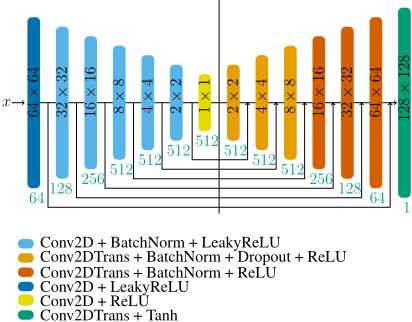
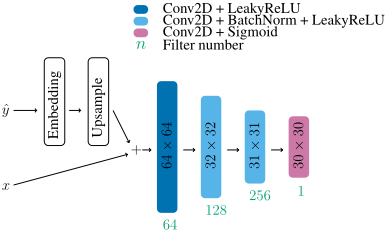
To address these objectives, different loss components (see next sections) were used to steer a GAN-based architecture to generate the desired explanations. A GAN-based approach was chosen as similar concepts have successfully been applied to the task of counterfactual explanation generation in various existing works [Olson et al., 2021; Huber et al., 2023; Nemirovsky et al., 2022; Zhao, 2020; Mertes et al., 2022a]. In order to allow for a more focused and comprehensive user study design, in this work, we focus on explaining a binary image classifier. However, although our specific generation architecture is designed for a binary classification problem, it would theoretically be possible to apply it to non-binary tasks by training separate models for each class vs. the union over all other classes. A schematic overview of our architecture can be seen in Figures 2 and 3. For a more detailed description, we refer to the appendix 2 .
4.1 Adversarial Component
To address the first objective, an adversarial setting is used. Here, a generator network G is trained to take an original image x and a random noise vector z and transforms them into the respective explanation ˆx. As such, a mapping {x, z} → ˆx is learned by the generator. A discriminator network D is trained to identify the generated images as fake images in an adversarial manner.
Additionally, to partly target the second objective, we feed a target class label ˆ y ∈ {0, 1} to the discriminator. By doing so, the discriminator learns not only to assess if the produced images are real or fake, but also has the capability to decide if an explanation fits the data distribution of the class it is supposed to belong to. A somewhat similar idea was put forth by Sharmanska et al. [2020] within the context of fairness and yielded promising results there. During training, the discriminator is alternately fed with real and fake data. For real data, the target class label ˆ y reflects the class that the classifier to be explained assigns to the respective image x. For the generated explanations, the target class label ˆ y reflects either the class that was assigned to the original image x (for alterfactual explanations), or the opposite class (for counterfactual explanations).
By letting the generator and discriminator compete against each other during training, it is enforced that the resulting images look realistic and resemble the data distribution of the respective target classes. The objective function for the adversarial setting is formulated as follows:
4.2 Including Classifier Information
The second objective is further addressed by incorporating the decisions of the classifier to be explained into the generator's loss function.
Let C : X → [0, 1] be a binary classifier with threshold 0.5. We define the classification target ˜ C(x) as ˜ C(x) := C(x) for alterfactual explanations and ˜ C(x) := 1-C(x) for counterfactual explanations. To measure the error between the actual classification of the generated explanation and the target classification, we used Binary Crossentropy (BCE) to define a classification loss LC:
4.3 SSIMComponent
The third objective was addressed by including a similarity component into the loss function. Explanations are meant for humans. Therefore, using the Structural Similarity Index (SSIM) seemed to be an appropriate choice to measure image similarity for our approach, as it correlates with how humans are perceiving similarity in images [Wang et al., 2004]. The parameters for SSIM were chosen as recommended by Wu et al. [2019].
2 The appendix can be found in the arXiv version of this paper: http://arxiv.org/abs/2405.05295
As alterfactual explanations should change irrelevant features as much as possible, while counterfactual explanations should be as close as possible to the original image, the learning objective differs for both (low similarity for alterfactual explanations, high similarity for counterfactual explanations). With [0, 1] as the range of SSIM, we designed the loss function as follows:
4.4 Feature Relevance Component
The fourth objective, i.e., forcing the network to only modify irrelevant features when generating alterfactual explanations, was addressed by using an auxiliary Support Vector Machine (SVM) classifier. Note that this loss is only applied when generating alterfactual explanations, not when generating counterfactual explanations. Li et al. [2018] and Elsayed et al. [2018] have shown theoretically and empirically that the last weight layer of a Neural Network converges to an SVM trained on the data transformed up to this layer if certain restrictions are met (e.g., the last two layers of the network have to be fully connected). An SVM's decision boundary can be calculated directly - unlike the one of a Neural Network [Jiang et al., 2018]. As such, we use an SVM which was trained to predict the classifier's decision based on the activations of the classifier's penultimate layer as a way to approximate the classifier's decision boundary - if the generated alterfactual explanation has moved closer to the SVM's separating hyperplane, relevant features were most likely modified. Although an unchanged decision boundary distance does not necessarily guarantee that no relevant features were modified, in our experiments, it was a good indicator.
The distance of x to the SVM's separating hyperplane f was defined as follows, with w as the SVM's weight vector:
The SVM loss is defined by the absolute difference in distance to the separating hyperplane between the original image and the generated alterfactual explanation:
The final loss function is a summation of all the four loss components introduced above.
5 Evaluation Scenario
To assess the performance of our approach, we applied it to the Fashion-MNIST data set [Xiao et al., 2017]. That data set contains 7,000 gray scale images for each of its ten categories of clothes, such as 'ankle boots' or 'pullover', splitted into train (6,000 images per class) and test (1,000 images per class) sets. The two classes we chose, 'ankle boots' and 'sneakers', were selected due to being somewhat similar in order not to oversimplify the classification task while still being distinct enough to be able to visually assess whether the generated explanations are clear. To create the classifier to be explained, we trained a relatively simple four-layer convolutional neural network, achieving an accuracy of 96.7% after 40 training epochs. The exact architecture and training configuration can be found in the appendix.
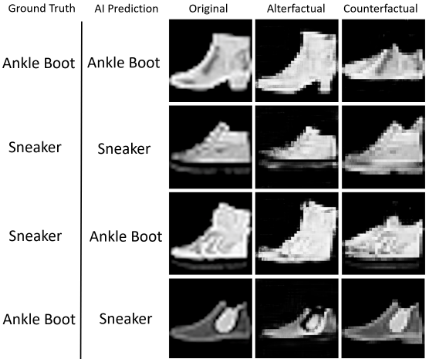
Our explanation generation architecture was trained for 14 epochs, until visually no further improvement could be observed. For alterfactual explanations, we reached a validity (i.e., which portion of the explanations are classified as the correct target class by the classifier) of 96.20% and an average SSIM of 0.32 (here, lower is better), whereas the counterfactual explanations reached a validity of 87.70% and an average SSIM of 0.90 (here, higher is better). For more details refer to the appendix. Exemplary generated explanations are shown in Figure 4. Note that, in order to verify if our alterfactual generation approach is applicable on a wider range of datasets, we additionally trained our approach on three other datasets: MNIST [LeCun, 1998], MaskedFace-Net [Cabani et al., 2021], and a gray scale version of MaskedFace-Net. To further demonstrate that our approach can be adapted to be more model-agnostic and work without access to intermediate layers, we omitted the Feature Relevance component for those experiments. Training details, example outputs and computational results for those experiments can be found in the appendix.
6 User Study
6.1 Research Question and Hypotheses
We conducted a user study to validate whether the counterfactual and alterfactual explanations generated by our approach help human users to form correct model understanding of an AI system. Therefore, we only used results from the model trained on the Fashon-MNIST classifier in order to not overwhelm participants. To be able to compare our findings to existing work, we designed our study similar to Mertes et al. [2022b]. Our hypotheses are as follows:
- Alterfactual and counterfactual explanations, as well as the combination of both, are more effective in enabling model understanding than no explanations.
- There is a difference in model understanding and explanation satisfaction between alterfactual and counterfactual explanations, but we did not anticipate a specific direction since we see them as complementary concepts.
- Compared to the individual explanations, a combination of alterfactual and counterfactual explanations is a more effective way to enable a good model understanding and is more satisfying for users.
- There is a difference between conditions regarding the understanding of relevant and irrelevant features, where alterfactual explanations are more effective to identify irrelevant features while counterfactual explanations should help more with identifying relevant features.
6.2 Methodology
Conditions and Explanation Presentation. We used a between-groups design with four conditions. Participants in the Control condition were presented only with the original input images to the AI. No explanation was shown. In the Alterfactual and Counterfactual conditions, participants were presented with the original input images and either alterfactual or counterfactual explanations. In the Combination condition, participants were presented with the original input images as well as both the alterfactual and the counterfactual explanations.
Procedure. The whole study was built using the oTree framework by Chen et al. [2016]. After answering questions about their demographic background, participants were given some general information about the data and their task during the prediction task. For the classifier, they were only told that an AI was trained to distinguish between ankle boots and sneakers. Two example images for each class (ankle boots and sneakers) were shown and some shoe specific terminology (e.g., "shaft") was introduced in order to make sure that participants have a common understanding of the terms they are asked about later on. Following this information, the participants were given an example input image for each class together with the classifier's prediction for this input image. In the explanation conditions, the participants were introduced to their corresponding explanation types (counterfactuals, alterfactuals or a combination) and could explore the explanations for those two images. After that, each participant answered a quiz about the information that was given up to that point, to make sure that they understood everything correctly. Subsequently, the study itself started. It was divided into three parts: For assessing the participants' understanding of the classifier, we used (i) a prediction task for assessing the local understanding, i.e., to assess if the participants understand why the AI makes a specific decision, and (ii) a questionnaire about the relevance of certain features for assessing the global understanding, i.e., to assess if the participants understand how the AI works overall. To assess the participants' explanation satisfaction, we used (iii) an explanation satisfaction questionnaire. The three phases of the experiment are described below.
Local Model Understanding: Prediction Task. To measure the local understanding of the classifier, we used a prediction task, which assesses the participants' ability to anticipate the AI classifier's decisions [Hoffman et al., 2018]. Eight examples were shown, covering all possible classification outcomes (two correctly classified images for both sneakers and ankle boots, and two incorrectly classified images for both) to avoid bias. Figure 4 shows four of the images from the study. The example images were chosen randomly but we made sure that the alterfactual and counterfactual explanations generated by our model for those images were valid (i.e., the classifier predicted the same class as for the original image when fed with the alterfactual explanation, and the opposite class when fed with the counterfactual explanation). Participants had to predict the classifier's decision for each example image. Participants were additionally asked about their own opinion on which class the original shoe image belonged to. The answers to that particular question were not further analyzed - it was only added to help the participants distinguish between their own opinion and their understanding of the classifier. After predicting an example, they were told the correct label and the AI classifier's decision before moving on to the next example. The order of the examples was randomized.
Global Model Understanding: Feature Relevance. While the Prediction Task can be seen as local measurement of the users' understanding of the model in specific instances, we also wanted to investigate whether participants understood the global relevance of different features. To this end, we looked at two features that were relevant for our classifier ("presence/absence of a boot shaft" and "presence/absence of an elevated heel") as well as two features that were irrelevant for our classifier ("boot shaft width" and "the shoe's color and pattern on the surface area"). These features were chosen based on the authors' experience from training the classifier and a-priori explorations with the Feature Attribution explanation mechanisms LIME [Ribeiro et al., 2016] and SHAP [Lundberg and Lee, 2017]. Note that, although the classifier is still a black box and there is no definitive proof that the chosen features reflect the classifier's inner workings entirely accurately, we decided that using those mechanisms for the feature choice are the best proxy that we have. As such, after the participants went through the eight examples that were used for the prediction task, they were asked for each feature how much they agreed that it was relevant to the AI's decisions on a 5-point Likert scale (0 = strongly disagree, 4 = strongly agree).
Explanation Satisfaction. In order to measure the participants' subjective satisfaction, we used the Explanation Satisfaction Scale proposed by Hoffman et al. [2018] which consists of eight items rated on a 5-point Likert scale (0 = strongly disagree, 5 = strongly agree) that we averaged over all items. Since it does not apply to our use-case, we excluded the 5th question of the questionnaire. The seven remaining items address confidence, predictability, reliability, safety, wariness, performance, likeability. Finally, the participants had the possibility to give free text feedback.
6.3 Participants
Through a power analysis, we estimated a required sample size of at least 21 per condition for a MANOVA with 80% power and an alpha of 5%, based on the Pillai's Trace of 0.13 reported for the study by Mertes et al. [2022b]. 131 Participants between 18 and 29 years (M = 22.2, SD = 2.44) were recruited at the University of Augsburg. 61 of them were male, 70 female. The participants were randomly separated into the four conditions (33 per condition and 32 in the Alterfactual condition). The highest level of education that most participants held (76.3%) was a high-school diploma. Only 11.5% of the participants had no experience with AI. Most of the participants (74%) have heard from AI in the media. Excluding participants that had no opinion on the subject, the participants expected a positive impact of AI systems in the future (M = 3.73 on a 5-point Likert Scale from 1 = "Extremely negative" to 5 = "Extremely positive"). There were no substantial differences in the demographics between conditions (see appendix).
7 Results
7.1 Model Understanding
To investigate the impact of the four different experimental conditions on the (1) feature understanding and (2) prediction accuracy, we conducted a MANOVA. We found a significant difference, Wilks' Lambda = 0.859, F(6,252) = 3.31, p = .004.
The following ANOVA revealed that only the prediction accuracy of the participants showed significant differences between the conditions:
- Feature Understanding: F(3,127) = 0.877, p = .455.
- Prediction Accuracy: F(3,127) = 6.578, p < .001.
The post-hoc t-tests showed that the participants' prediction accuracy was significantly better in the Alterfactual and Combination conditions compared to the other conditions. The effect size d is calculated according to Cohen et al. [2013]:
- Alterfactual vs. Control: t(127) = 3.19, p = .002, d = 0.79 (medium effect).
- Alterfactual vs. Counterfactual: t(127) = 2.06, p = .042, d = 0.51 (medium effect).
- Combination vs. Control: t(127) = 3.93, p < .001, d = 0.97 (large effect).
- Combination vs. Counterfactual: t(127) = 2.79, p = .006, d = 0.69 (medium effect).
These results regarding the prediction task confirm our hypothesis that the conditions with alterfactual explanations outperform the condition without explanations in the prediction task. Further, the combination of both explanation types did significantly outperform counterfactual explanations. However, our hypothesis that the combination is more effective in terms of enabling a correct model understanding than alterfactual explanations has to be rejected.
7.2 Relevant and Irrelevant Information
As reported in the section above, we did not find a significant overall difference in the feature understanding task. However, in order to investigate our hypotheses about irrelevant vs. relevant features, we conducted another MANOVA between the conditions and the combined understanding values for the two relevant features and the two irrelevant features. This MANOVA did not find any significant differences, Wilks' Lambda = 0.951, F(6,252) = 1.07, p = .379. The mean understanding per condition can be found in the appendix.
7.3 Explanation Satisfaction
The ANOVA revealed that there were no significant differences in the subjective explanation satisfaction between the three explanation conditions, F(2,95) = 0.34, p = .713. The mean satisfaction values with standard deviation were: Counterfactual condition: 3.54 ± 0.53 ; Alterfactual condition: 3.65 ± 0.6; Combination condition: 3.58 ± 0.5.
8 Discussion
With our proposed GAN-based approach, we demonstrated that it is possible to generate both counterfactual and alterfactual explanations for a black box image classifier. Using computational metrics, we showed that both of those generated explanations fulfill their respective requirements: The counterfactual explanations are very similar to the original images (i.e., 0.90 average SSIM) but change the classifiers prediction in 87.70% of the cases while alterfactual explanations are very different from the original image (i.e., 0.32 average SSIM), but do not change the classifier's prediction in 96.20% of the cases. For the prediction task of our user study, alterfactual explanations and the combination of alterfactual and counterfactual explanations performed significantly better than the other two conditions demonstrating the potential of alterfactual explanations to facilitate local model understanding. However, we did not observe a significant difference for the feature relevance understanding. This is highly interesting, as it contrasts with a previous study by Mertes et al. [2022b]. There, a similar experimental design was employed for assessing the effect that alterfactual explanations have on users' mental models of a hard-coded classifier that assesses numerical feature descriptors for a fictional classification problem. In contrast to our work, they neither used a real classifier nor an alterfactual generation algorithm, but only mock-up decisions and explanations. In their scenario, alterfactual explanations led to a significantly better feature relevance understanding, while not having a substantial impact on the performance in a prediction task. A possible explanation for this is the fact that our study was conducted in the context of fashion classification, where the users might already have had a quite distinctive mental model of the problem domain itself. Further, images might be more accessible than numerical feature descriptors to end users. As such, the global understanding of the classifier might already be positively biased. This argument is supported by looking at the feature relevance understanding results of the control group - although not seeing any explanations, they already performed very well in identifying relevant features. However, as can be seen by the significant performance improvement in the prediction task, the local understanding of the model does not necessarily benefit from the identification of globally relevant features. As the classification model is imperfect, a global understanding of the use case itself does not necessarily imply an understanding of cases, e.g. when the classifier's decision does not correctly model reality. Furthermore, our results regarding the global model understanding should be taken with a grain of salt, since the fashion-classifier is a black-box model - even though we used post-hoc explanation methods (SHAP and LIME), we cannot be certain that our choice of features is completely accurate. Interestingly, we did not observe any significant differences in explanation satisfaction. This indicates that participants felt similarly satisfied by all explanation methods even though the alterfactual and combined explanations objectively helped more during the prediction task. The presentation of more information (i.e., in the combination condition) could have led to a higher cognitive load and influenced the subjective assessments of explanation satisfaction, resulting in the difference between objective measurement (i.e., model understanding) and subjective measurement (i.e., explanation satisfaction).
9 Conclusion
In this paper, we demonstrate the practical feasibility of a recently proposed concept for explaining AI models called alterfactual explanations that alter as much irrelevant information as possible while maintaining the distance to the decision boundary.
We show for the first time that it is possible to generate such explanations for black box models and briefly evaluated them computationally. Furthermore, we showed in a user study that our generated alterfactual explanations can complement counterfactual explanations. In that study, we compared how users' model understanding of a binary image classifier changes when being confronted with counterfactual explanations, alterfactual explanations, or a combination of both. Further, a control group was assessed that did not see any explanations. We found that in a prediction task, where the classifier's prediction had to be anticipated by looking at the explanations, users performed significantly better when they were provided with explanations that included alterfactual explanations compared to users that did not see alterfactual explanations, although we did not observe a significant difference in explanation satisfaction.
Overall, we showed that alterfactual explanations are a promising explanation method that can complement counterfactual explanations in future XAI systems.
Acknowledgments
This research was partially funded by the DFG through the Leibniz award of Elisabeth Andr´e (AN 559/10-1).
@inproceedings{ijcai2024p52,
  title     = {Relevant Irrelevance: Generating Alterfactual Explanations for Image Classifiers},
  author    = {Mertes, Silvan and Huber, Tobias and Karle, Christina and Weitz, Katharina and Schlagowski, Ruben and Conati, Cristina and André, Elisabeth},
  booktitle = {Proceedings of the Thirty-Third International Joint Conference on
               Artificial Intelligence, {IJCAI-24}},
  publisher = {International Joint Conferences on Artificial Intelligence Organization},
  editor    = {Kate Larson},
  pages     = {467--475},
  year      = {2024},
  month     = {8},
  note      = {Main Track},
  doi       = {10.24963/ijcai.2024/52},
  url       = {https://doi.org/10.24963/ijcai.2024/52},
}
TY - CPAPER TI - Relevant Irrelevance: Generating Alterfactual Explanations for Image Classifiers AU - Mertes, Silvan AU - Huber, Tobias AU - Karle, Christina AU - Weitz, Katharina AU - Schlagowski, Ruben AU - Conati, Cristina AU - André, Elisabeth T2 - Proceedings of the Thirty-Third International Joint Conference on Artificial Intelligence, IJCAI-24 PB - International Joint Conferences on Artificial Intelligence Organization PY - 2024 SP - 467 EP - 475 DO - 10.24963/ijcai.2024/52 UR - https://doi.org/10.24963/ijcai.2024/52 ER -Copied
Machine-readable versions of this paper, for tools and AI agents:





